
Are you waking up with mysterious bites, itchy skin, or finding tiny blood stains on your sheets? You could be facing one of the most disturbing and stubborn pests in America – bed bugs. At White Pest Control, we’ve spent over 20 years helping families and businesses across the USA reclaim their peace of mind from these relentless invaders. If you suspect a bed bug problem, don’t wait – call us now for free expert advice and a no-obligation quote. The longer you wait, the worse it can get. In this article
What Are Bed Bugs?
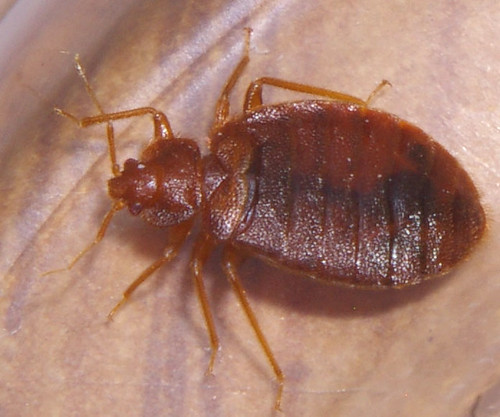
Bed bugs (Cimex lectularius) are small, flat, reddish-brown insects that feed exclusively on the blood of humans and animals. Adult bed bugs are about the size of an apple seed, but their eggs and young nymphs are nearly invisible to the naked eye. They hide in the tiniest cracks – mattress seams, bed frames, furniture joints, behind baseboards, and even inside electrical outlets.
Why are they so feared?
- Rapid reproduction: A single female can lay up to 500 eggs in her lifetime.
- Hard to spot: Their flattened bodies let them squeeze into spaces as thin as a credit card.
- Persistent: Bed bugs can survive for months without feeding and are resistant to many common insecticides.
Why You Must Act NOW

Ignoring a bed bug problem is a recipe for disaster. Bed bugs multiply rapidly – what starts as a few can explode into thousands within weeks. They don’t just disrupt your sleep; their bites can cause severe itching, allergic reactions, and even psychological distress. In hotels, apartments, or shared housing, an untreated infestation can spread to neighbors, costing thousands in remediation and lost property value.
Statistic: According to the CDC, bed bug infestations have increased by over 500% in the past two decades, affecting homes, hotels, and public spaces nationwide.
How to Identify Bed Bugs
Look for these telltale signs:
- Bites: Red, itchy welts – often in a line or cluster – on exposed skin.
- Blood stains: Tiny rust-colored spots on sheets or mattresses.
- Fecal spots: Small, dark dots on bedding or furniture.
- Shed skins: Pale yellow shells left behind as nymphs grow.
If you see any of these, don’t panic – call White Pest Control for a free inspection and advice.
How to Get Rid of Bed Bugs: Step-by-Step

1. Contain and Clean
- Isolate the infested area: Remove and seal bedding, clothing, and curtains in plastic bags.
- Wash and dry on high heat: Bed bugs and their eggs die at temperatures above 120°F (49°C). Wash all fabrics in hot water and dry for at least 30 minutes.
- Vacuum thoroughly: Use a vacuum with a crevice tool on mattresses, bed frames, baseboards, and all cracks. Dispose of the vacuum bag in a sealed plastic bag outside your home.
2. Destroy Their Hiding Places
- Declutter: Remove clutter around beds and furniture – bed bugs love hiding in piles of clothes or boxes.
- Seal cracks: Use caulk to seal gaps in walls, baseboards, and furniture joints.
3. Use Heat and Steam
- Steam cleaning: High-temperature steamers kill bed bugs and eggs on contact – especially effective for mattresses and upholstery.
- Professional heat treatment: For severe infestations, pros like White Pest Control can heat entire rooms to lethal temperatures, wiping out all life stages in one go.
4. Apply Targeted Insecticides
- Desiccant powders: Products like diatomaceous earth or silica gel dry out and kill bed bugs, but must be used with care.
- EPA-registered sprays: Use only products labeled for bed bugs, and always follow safety instructions. Avoid over-the-counter “bug bombs” – they rarely work and can make things worse.
5. Monitor and Prevent Reinfestation
- Bed bug traps: Place interceptor cups under bed legs to catch and monitor activity.
- Mattress encasements: Special covers trap bugs inside and prevent new infestations.
- Regular inspections: Keep checking for signs of bed bugs, especially after travel or buying used furniture.
Why DIY Often Fails – and When to Call the Pros

Bed bugs are notoriously hard to eliminate without professional help. They hide in the smallest spaces, can survive most home treatments, and often return if even a few are missed. Many over-the-counter products are ineffective, and improper use of chemicals can be hazardous to your health.
At White Pest Control, we use integrated pest management – combining heat, targeted chemicals, and expert monitoring – to ensure every last bug is gone. Our founder, Richard White, has personally overseen thousands of successful treatments and is always ready to answer your questions or offer DIY tips by phone.
Recommended Product: Bed Bug Killer Spray
For those looking for an immediate solution, we recommend NOPE! CP Bed Bug Killer Spray – a fast-acting, long-lasting spray that kills bed bugs, larvae, and eggs on contact. It’s safe for home use and provides up to 3 months of residual protection. Call us to order or ask if it’s right for your situation.
Don’t Wait – Call White Pest Control Now
Every day you delay, bed bugs multiply and spread further. Don’t risk your family’s health, your sanity, or your property value. Call White Pest Control now for a free, friendly consultation and quote from Richard White himself. Let us help you sleep easy again – tonight.
FAQ: What Are Bed Bugs and How to Get Rid of Them
1. What are the early signs of bed bugs?
Early signs include itchy bites (often in a line), small blood stains on bedding, dark fecal spots, and shed skins near mattress seams or furniture joints.
2. Can I get rid of bed bugs myself?
You can try washing, vacuuming, and using heat or steam, but DIY methods rarely eliminate all bed bugs. Professional help is usually needed for complete eradication.
3. How do bed bugs enter your home?
Bed bugs hitchhike in luggage, used furniture, clothing, or even on visitors. They’re not a sign of poor hygiene and can infest any home.
4. Are bed bug bites dangerous?
While bed bug bites are not known to transmit diseases, they can cause severe itching, allergic reactions, and secondary infections from scratching. The psychological impact can also be significant.
5. How long does it take to get rid of bed bugs?
Depending on the severity, it can take several weeks to months to fully eliminate bed bugs, especially if the infestation is large or has spread. Acting quickly and using professional methods speeds up the process.