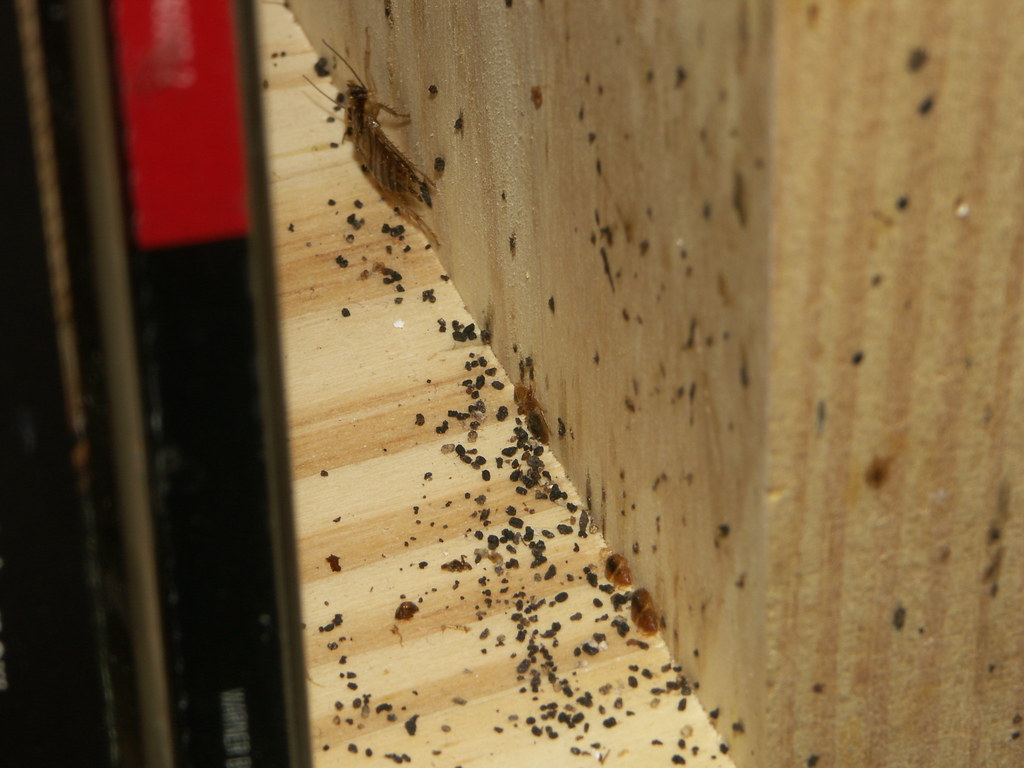
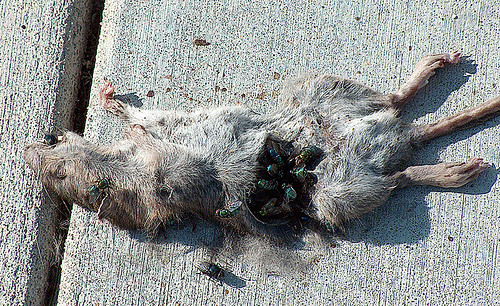
Discovering flies swarming in your home is often the first sign of a hidden dead rat problem. At White Pest Control, we’ve helped thousands of homeowners deal with this unsettling situation over our 20+ years in business. If you’re wondering How Long for Flies to Go After Dead Rat and what to do about them, you’ve come to the right place.
The Timeline of Flies After a Rat Dies
When a rat dies in your home, it quickly becomes a breeding ground for flies. The timeline typically unfolds as follows:
Initial Attraction: Flies can detect a dead rat within hours to days after death, depending on temperature and location1. In warm conditions, flies may find the carcass within hours, while in colder weather, it might take days or even weeks.
Egg Laying Phase: Once flies locate the dead rat, they quickly lay eggs in the carcass. Blowflies are particularly attracted to decaying flesh and will use the rat as both a food source and breeding ground.
Maggot Development: The eggs hatch into maggots (fly larvae) that feed on the decaying rat. These maggots develop faster in warm conditions and more slowly in colder temperatures. This stage can last from several days to weeks.
Fly Emergence: The complete life cycle of a blowfly feeding on a dead rat can take as little as seven days in optimal conditions. After pupation, adult flies begin to emerge.
Peak Infestation: As Richard White, our founder, often tells clients: “The fly situation typically gets worse before it gets better.” The initial emergence might start with just a few large flies, but numbers can increase dramatically within days. By the end of the first week, you might be dealing with 500-1500 flies in your home.
Natural Decline: Most flies from a dead rat infestation will naturally die off within 30 days, though this can vary based on environmental factors. If it’s particularly hot and dry, the infestation might last less than a week, while in humid conditions, it could persist for a month or more.
Why This Is a Serious Health Concern

Having flies from a dead rat in your home isn’t just disgusting—it’s dangerous. Richard recalls a case in Atlanta where a family ignored a minor fly problem that escalated into a major health crisis:
“The flies weren’t just annoying; they were spreading bacteria throughout the home. Two family members developed severe gastrointestinal infections before they called us. By then, the cleanup was extensive and costly.”
Dead rats can harbor dangerous pathogens even after death, including hantavirus, leptospirosis, and salmonellosis. Flies that feed on infected carcasses can transfer these bacteria to food preparation surfaces and other areas of your home.
Why DIY Removal Often Fails
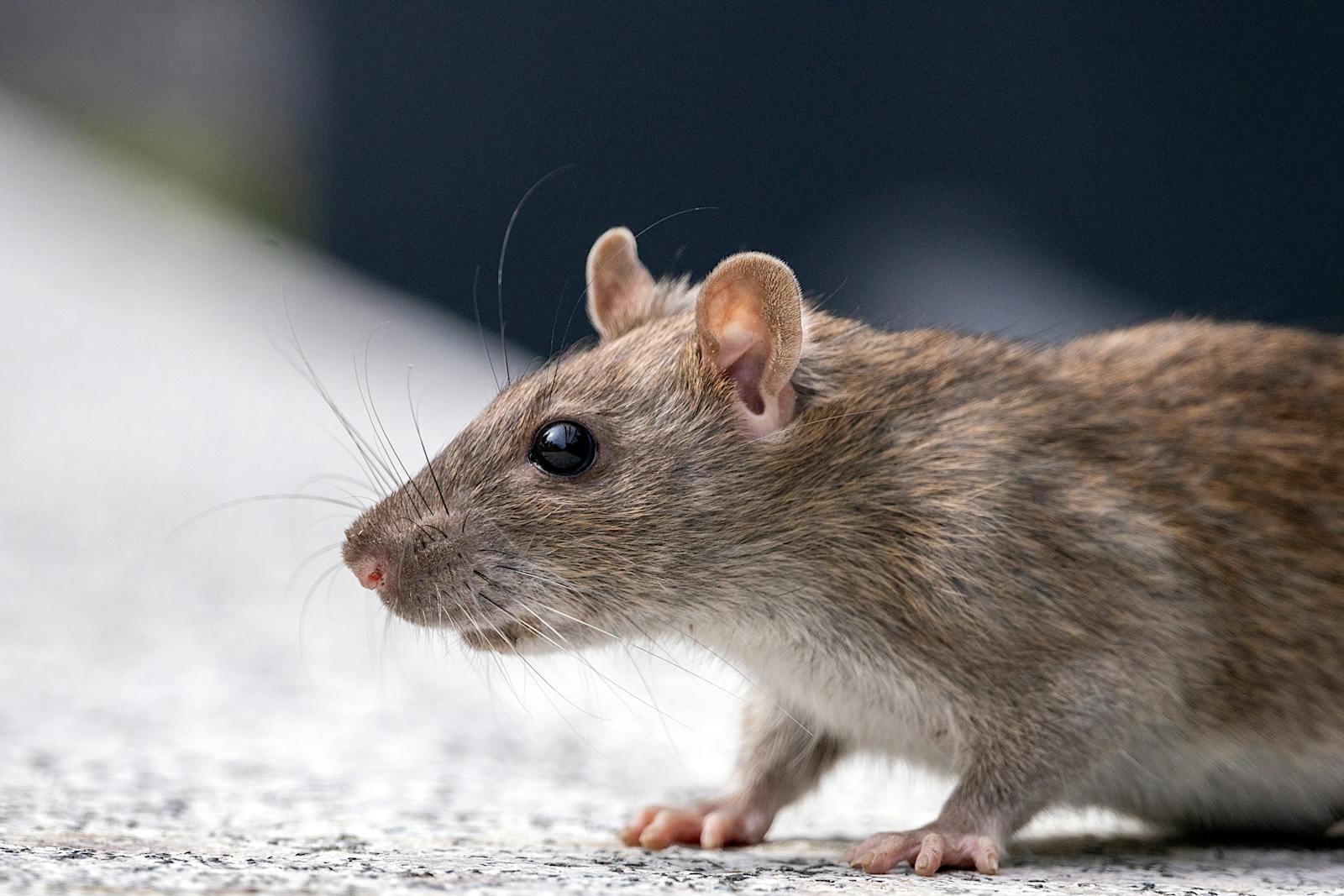
Many homeowners attempt to handle this problem themselves, often with disappointing results. The challenges include:
Hidden Carcasses: Dead rats frequently die in inaccessible areas like wall cavities, crawl spaces, attics, or under floorboards.
Multiple Rats: Where there’s one dead rat, there are often more. Poison treatments frequently result in multiple deaths in different locations.
Incomplete Cleanup: Without proper sanitization, bacteria and fly eggs can remain even after the carcass is removed.
Health Risks: Handling dead rats without proper protection exposes you to serious diseases.
The White Pest Control Solution
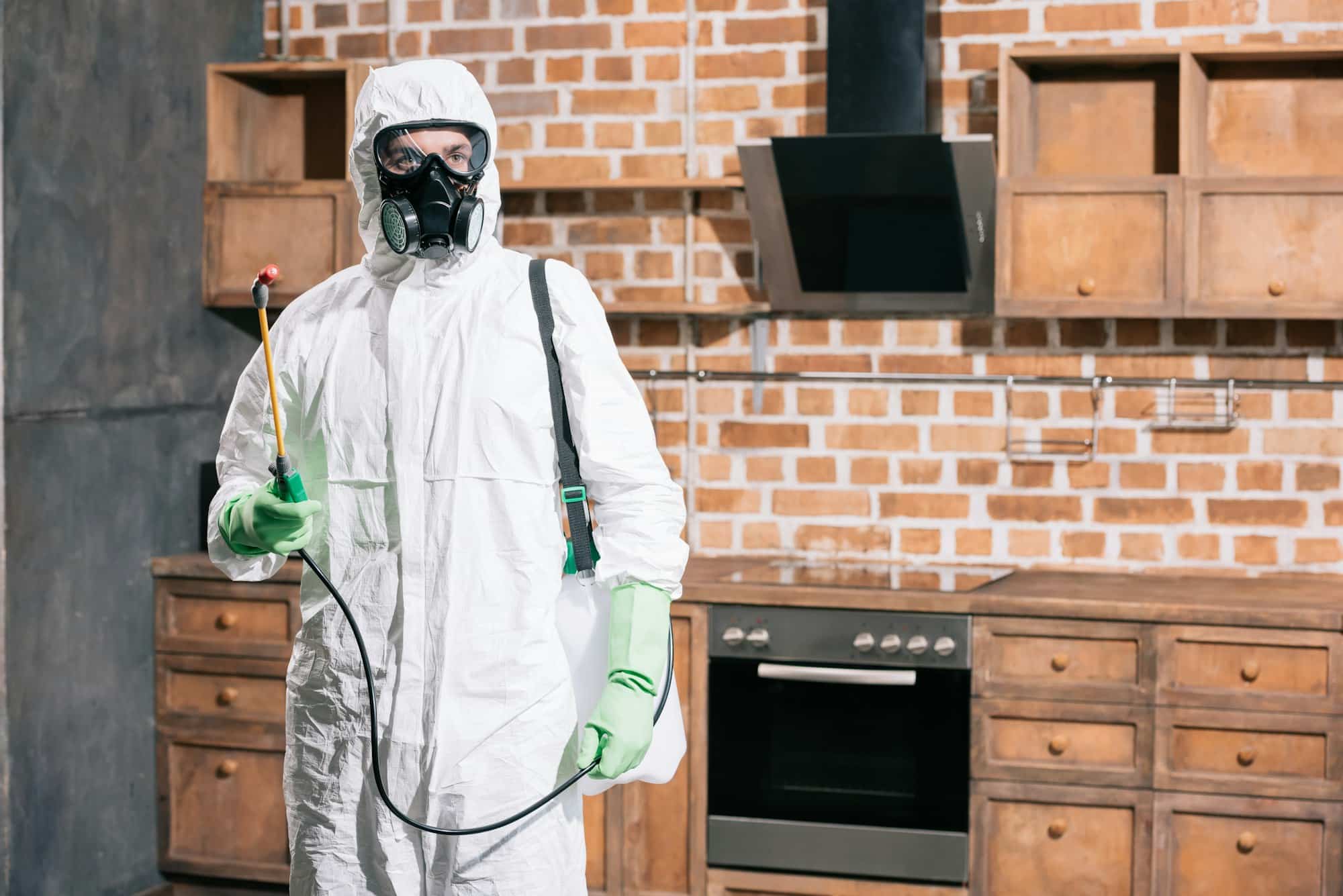
At White Pest Control, we offer a comprehensive approach to resolving your fly and dead rat problem:
-
Expert Location Services: Our technicians use specialized equipment to pinpoint exactly where dead rats are located, even inside walls or under floors.
-
Safe Removal: We safely extract all rat carcasses using proper protective equipment and disposal methods.
-
Professional Sanitization: We thoroughly clean and disinfect affected areas to eliminate harmful bacteria and remaining fly eggs.
-
Fly Control Measures: We implement targeted treatments to quickly eliminate the existing fly population.
-
Prevention Planning: We identify and seal entry points to prevent future rat infestations.
Richard White emphasizes: “The longer you wait, the worse this problem gets. What starts as a few flies can quickly become hundreds, with increasing risks to your family’s health.”
Don’t Wait Until It’s Unbearable

The emotional toll of living with flies and the smell of decomposition shouldn’t be underestimated. One client in Boston described it as “psychological torture” – constantly swatting flies, worrying about food contamination, and feeling embarrassed to have visitors.
Contact us for immediate assistance. Our team is standing by to provide:
-
Free phone consultation
-
Same-day emergency service in most areas
-
No-obligation quotes
-
Expert advice even if you choose to handle it yourself
FAQ About Flies from Dead Rats
How can I tell if flies in my home are from a dead rat?
Flies attracted to dead rats are typically larger blowflies (sometimes called bluebottles) or flesh flies. They appear suddenly in large numbers, often concentrated in one area of your home. You might notice them gathering near vents, walls, or ceilings as they try to reach the carcass.
Will the flies go away on their own if I can’t find the dead rat?
Yes, flies will eventually diminish once the carcass dries out, typically within 1-4 weeks depending on conditions. However, waiting it out means enduring weeks of flies, potential disease exposure, and unpleasant odors. Professional removal is always the safer, faster option.
Can I use insecticide to get rid of the flies without removing the rat?
While insecticides may temporarily reduce fly numbers, they won’t solve the underlying problem. The dead rat will continue to attract new flies until it’s completely decomposed, which can take months6. Complete resolution requires removing the source.
How dangerous are these flies to my family’s health?
Flies that have contact with dead rats can transmit several dangerous bacteria, including Salmonella and E. coli. They contaminate surfaces by regurgitating on them and leaving fecal matter. This creates significant health risks, especially in food preparation areas.
What happens if I used rat poison and now have flies?
This is a common problem with rodenticide use. Rats often die in inaccessible areas after consuming poison, leading to fly infestations4. If you’re experiencing flies after using rat poison, professional help is likely needed to locate and remove the carcasses. At White Pest Control, we recommend trapping methods over poisons precisely for this reason.