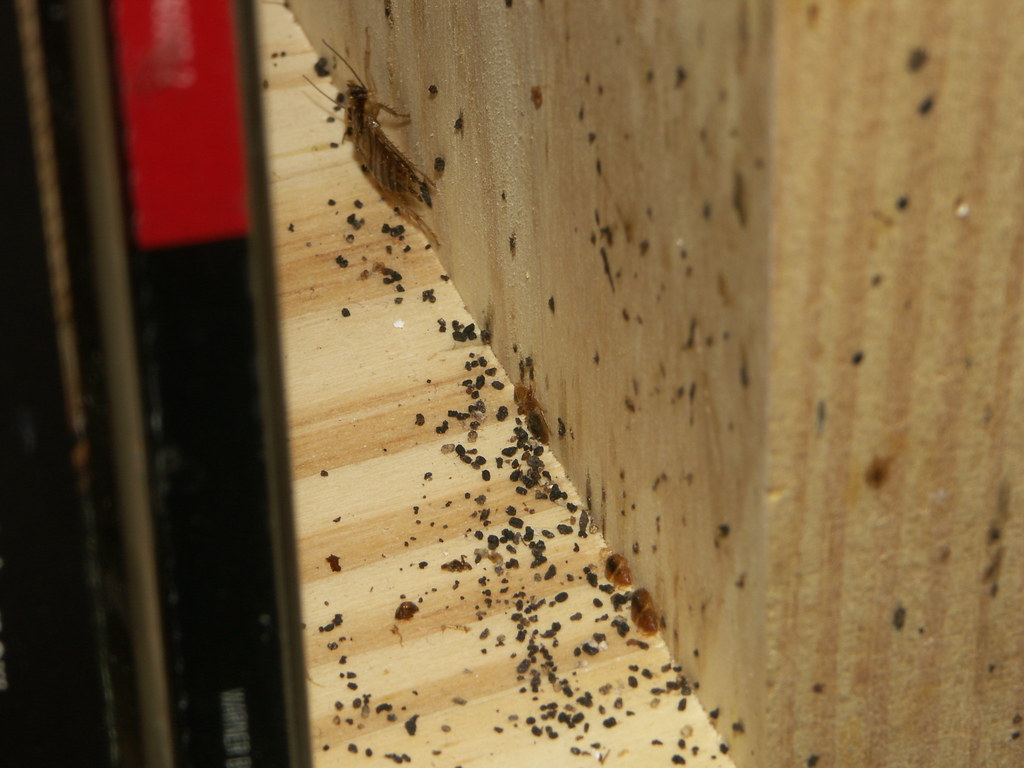

We’ve all experienced the frustration of an ant invasion in our yards. These tiny creatures, while small in size, can create significant problems if left unchecked. Whether they’re ruining your picnic or building unsightly mounds in your lawn, ants are pests that need to be dealt with effectively. In this comprehensive guide, we’ll explore various methods to remove ants from your yard and prevent future infestations.
Understanding the Ant Problem in Your Yard
Ants are attracted to your yard for several reasons. Primarily, your yard provides them with abundant food sources and ideal nesting sites. Understanding these attractions can help you make your yard less inviting to these pests.
Why Ants are Attracted to Your Yard
Ants are always on the hunt for food and water. Your yard, with its lush vegetation, provides them with plenty of both. Overripe fruits, plant secretions, and even other insects serve as food for ants. Additionally, your yard’s moist soil and garden debris offer perfect nesting sites for ant colonies.
Types of Ants Commonly Found in Yards
Several types of ants could invade your yard. The most common ones include fire ants, known for their painful stings, carpenter ants that can damage wooden structures, and pavement ants that typically nest under rocks or pavement.

How to Identify an Ant Infestation
Identifying an ant infestation early can help you take prompt action and prevent the colony from growing. Here’s what you need to look out for:
Signs of an Ant Infestation
Visible ant trails, especially near food sources, are a clear sign of an infestation. Other signs include small mounds of soil or sand in your yard, which are typically entrances to ant colonies. You might also notice damage to your plants caused by feeding ants.
Dangers of an Ant Infestation
While most ants are harmless, some species can cause significant problems. Fire ants, for instance, have a painful sting that can cause allergic reactions in some people. Carpenter ants, on the other hand, can damage wooden structures in your yard.

Methods to Remove Ants from Your Yard
Once you’ve identified an ant infestation, the next step is to remove them. There are several methods you can use, ranging from natural remedies to commercial products.
Natural Methods
Natural methods are safe and eco-friendly. These include using vinegar, citrus peel, or cinnamon, which are known to deter ants. Another effective method is to pour boiling water directly into the ant hill. However, this should be done with extreme caution to avoid burns.
Chemical Methods
Chemical methods involve using ant baits or insecticides. These products contain substances that attract ants and then poison them. While effective, they should be used with caution, especially if you have children or pets.

How to Remove Ant Hills from Your Yard
Ant hills, besides being unsightly, can damage your lawn and make it uneven. Here’s how you can remove them.
Natural Methods
Pouring boiling water into the ant hill is a commonly used natural method. However, this should be done with extreme caution to avoid burns. Another method is to use a solution of dish soap and water, which can suffocate the ants.
Chemical Methods
There are specific ant hill treatments available in the market that can effectively get rid of ant hills. These products usually contain potent insecticides that kill the ants and destroy the colony.

How to Remove Fire Ants from Your Yard
Fire ants are a more serious problem due to their painful sting. Here’s how you can remove them from your yard.
Identifying Fire Ants
Fire ants are small, reddish-brown ants. They are known for their aggressive behavior and painful sting. Fire ant mounds are usually large and dome-shaped, without a visible entrance.
Natural Methods
Diatomaceous earth is a natural powder made from tiny fossilized aquatic organisms and is known to be effective against fire ants. Sprinkle it around the ant mound and other areas where you’ve seen the ants.
Chemical Methods
There are specific fire ant baits and insecticides available in the market. These products are designed to target fire ants specifically and are usually very effective.
Preventing Future Ant Infestations
Prevention is always better than cure. Regular yard maintenance and using natural repellents can help prevent future ant infestations.
Regular Yard Maintenance
Keeping your yard clean and well-maintained is the first step in preventing ant infestations. Regularly mow your lawn, trim your plants, and remove any garden debris. Avoid overwatering your plants as it can attract ants.
Natural Repellents
Certain plants like mint and rosemary are known to repel ants. Planting these in your yard can help keep ants away. You can also use essential oils like peppermint and tea tree oil as natural ant repellents.

When to Seek Professional Pest Control Help
If the ant infestation in your yard is severe or if the ants are a dangerous species like fire ants, it might be time to seek professional help.
Benefits of Professional Pest Control
Professional pest control services have the expertise and equipment to effectively and safely remove ants from your yard. They can also provide you with customized solutions to prevent future infestations.
Conclusion
Ants can be a nuisance, but with the right knowledge and tools, you can effectively remove them from your yard and prevent future infestations. Remember, the key is to act promptly and take consistent preventive measures.
Frequently Asked Questions
[custom-related-posts title=”Related Posts” none_text=”None found” order_by=”title” order=”ASC”]